Misteri Kerangka di Gereja Belanda, Diduga Musketeer D'Artagnan

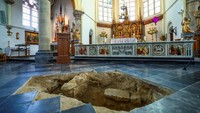
A view inside the Peter and Paul Church (Petrus en Pauluskerk) in Maastricht shows an excavation pit opened in the floor, where archaeologists believe they may have uncovered the skeletal remains of Charles de Batz de Castelmore, known as d’Artagnan, leader of King Louis XIV's musketeers, who died in 1673 during the French siege of the city, in Maastricht, Netherlands, March 25, 2026. REUTERS/Piroschka van de Wouw
Kerangka manusia ditemukan di bawah lantai Gereja Santo Petrus dan Paulus di Maastricht, Belanda. Foto: REUTERS/Piroschka Van De Wouw
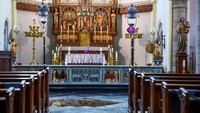
A view inside the Peter and Paul Church (Petrus en Pauluskerk) in Maastricht shows an excavation pit opened in the floor, where archaeologists believe they may have uncovered the skeletal remains of Charles de Batz de Castelmore, known as d’Artagnan, leader of King Louis XIV's musketeers, who died in 1673 during the French siege of the city, in Maastricht, Netherlands, March 25, 2026. REUTERS/Piroschka van de Wouw
Temuan makam di depan altar gereja memicu penelitian untuk mengungkap kemungkinan kaitannya dengan tokoh musketeer D’Artagnan. Foto: REUTERS/Piroschka Van De Wouw
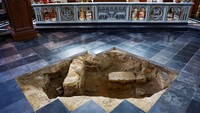
A view inside the Peter and Paul Church (Petrus en Pauluskerk) in Maastricht shows an excavation pit opened in the floor, where archaeologists believe they may have uncovered the skeletal remains of Charles de Batz de Castelmore, known as d’Artagnan, leader of King Louis XIV's musketeers, who died in 1673 during the French siege of the city, in Maastricht, Netherlands, March 25, 2026. REUTERS/Piroschka van de Wouw
Arkeolog melakukan investigasi mendalam setelah lantai gereja ambles dan mengungkap sisa-sisa kerangka manusia. Foto: REUTERS/Piroschka Van De Wouw
A view inside the Peter and Paul Church (Petrus en Pauluskerk) in Maastricht shows an excavation pit opened in the floor, where archaeologists believe they may have uncovered the skeletal remains of Charles de Batz de Castelmore, known as d’Artagnan, leader of King Louis XIV's musketeers, who died in 1673 during the French siege of the city, in Maastricht, Netherlands, March 25, 2026. REUTERS/Piroschka van de Wouw
Sampel DNA dari tulang rahang diambil untuk dibandingkan dengan garis keturunan keluarga D’Artagnan. Foto: REUTERS/Piroschka Van De Wouw
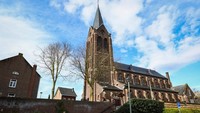
A view inside the Peter and Paul Church (Petrus en Pauluskerk) in Maastricht shows an excavation pit opened in the floor, where archaeologists believe they may have uncovered the skeletal remains of Charles de Batz de Castelmore, known as d’Artagnan, leader of King Louis XIV's musketeers, who died in 1673 during the French siege of the city, in Maastricht, Netherlands, March 25, 2026. REUTERS/Piroschka van de Wouw
Gereja di Maastricht sebelumnya telah disebut sebagai lokasi yang diduga menjadi tempat peristirahatan terakhir prajurit abad ke-17 tersebut. Foto: REUTERS/Piroschka Van De Wouw
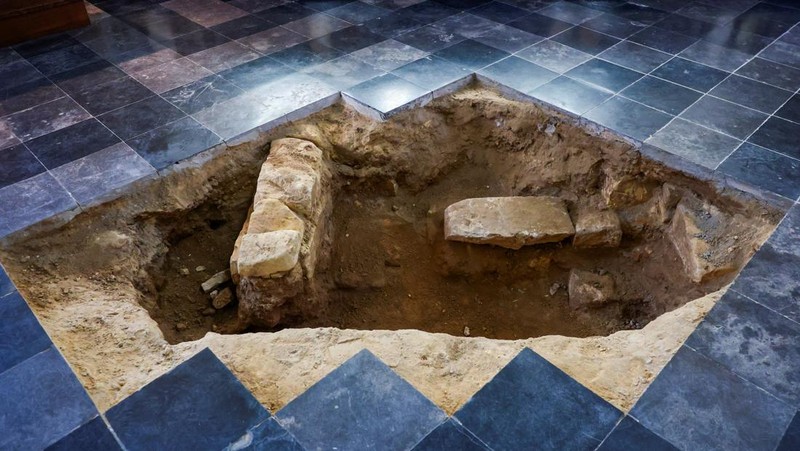
Kerangka manusia ditemukan di bawah lantai Gereja Santo Petrus dan Paulus di Maastricht, Belanda. Foto: REUTERS/Piroschka Van De Wouw
Temuan makam di depan altar gereja memicu penelitian untuk mengungkap kemungkinan kaitannya dengan tokoh musketeer D’Artagnan. Foto: REUTERS/Piroschka Van De Wouw
Arkeolog melakukan investigasi mendalam setelah lantai gereja ambles dan mengungkap sisa-sisa kerangka manusia. Foto: REUTERS/Piroschka Van De Wouw
Sampel DNA dari tulang rahang diambil untuk dibandingkan dengan garis keturunan keluarga D’Artagnan. Foto: REUTERS/Piroschka Van De Wouw
Gereja di Maastricht sebelumnya telah disebut sebagai lokasi yang diduga menjadi tempat peristirahatan terakhir prajurit abad ke-17 tersebut. Foto: REUTERS/Piroschka Van De Wouw